

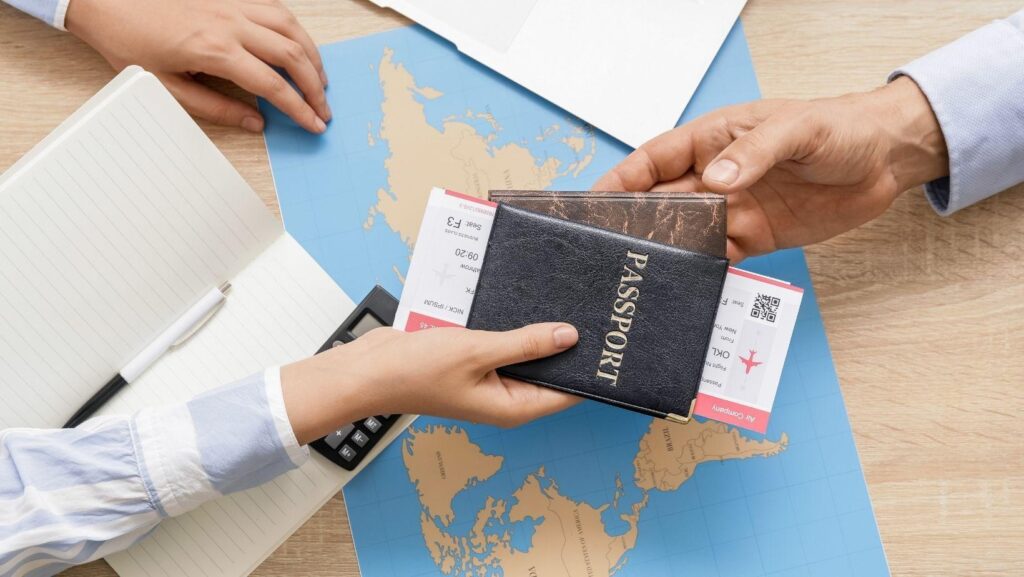
Every year, thousands of trips are delayed, disrupted, or outright cancelled because of avoidable paperwork errors. Passport expiry dates, mismatched names, missing authorisations — these small details can derail even the most carefully planned holiday. Here’s a look at the most common mistakes and how to sidestep them.
1. Not Checking Passport Validity Rules
Many countries require a passport to be valid for a set period beyond your travel dates — often three to six months. Travellers frequently assume that as long as the passport hasn’t technically expired, they’re fine. Airlines routinely deny boarding for passports that don’t meet a destination’s specific validity window, so this should be one of the first things checked when planning any trip.
2. Leaving Entry Requirements Until the Last Minute
Digital travel authorisations and visas increasingly need to be arranged well before departure, not at check-in. A UK ETA visa, for instance, should ideally be applied for at least a few days ahead of travel, since processing times can occasionally extend beyond a few hours. Assuming these things can be sorted out “on the day” is one of the most common — and stressful — mistakes travellers make.
3. Mismatched Names and Details
A booking made under a nickname, a married name that doesn’t match the passport, or a simple typo in a passport number can cause real problems. Airlines and border systems match records exactly, and small inconsistencies can trigger delays or rejections. Always enter your name and details exactly as they appear on your passport, for every booking and every application.
4. Poor-Quality Photos
Digital applications increasingly require a photo upload, and a blurry, poorly lit, or improperly framed image is a frequent cause of rejection or requests for resubmission. Taking a few minutes to get a clear, well-lit photo against a plain background can save a surprising amount of back-and-forth.
5. Not Understanding What Type of Document You Actually Need
Visas, electronic authorisations, and visa waivers are not the same thing, and travellers sometimes apply for the wrong one entirely, or assume they don’t need anything at all based on outdated information. Requirements also vary depending on nationality, length of stay, and purpose of travel, so it’s worth checking current rules rather than relying on what a friend needed for a similar trip.
6. Ignoring Confirmation Emails
Once an application is approved, the confirmation should be saved and, where possible, printed or downloaded for offline access. Relying solely on an email that might get buried, or on spotty airport wifi to pull it up, adds unnecessary risk.
7. Assuming Group Applications Are Automatic
Families and groups travelling together often need to apply individually, even for infants and children. Assuming that one adult’s approval covers the whole party is a mistake that can separate a family at the departure gate.
Building a Better Habit
The common thread across nearly all of these mistakes is timing — leaving things too late, and rushing through details that deserve a careful second look. Building a simple pre-trip checklist, and tackling documentation a few weeks before departure rather than a few days, resolves most of these issues before they become a problem.